



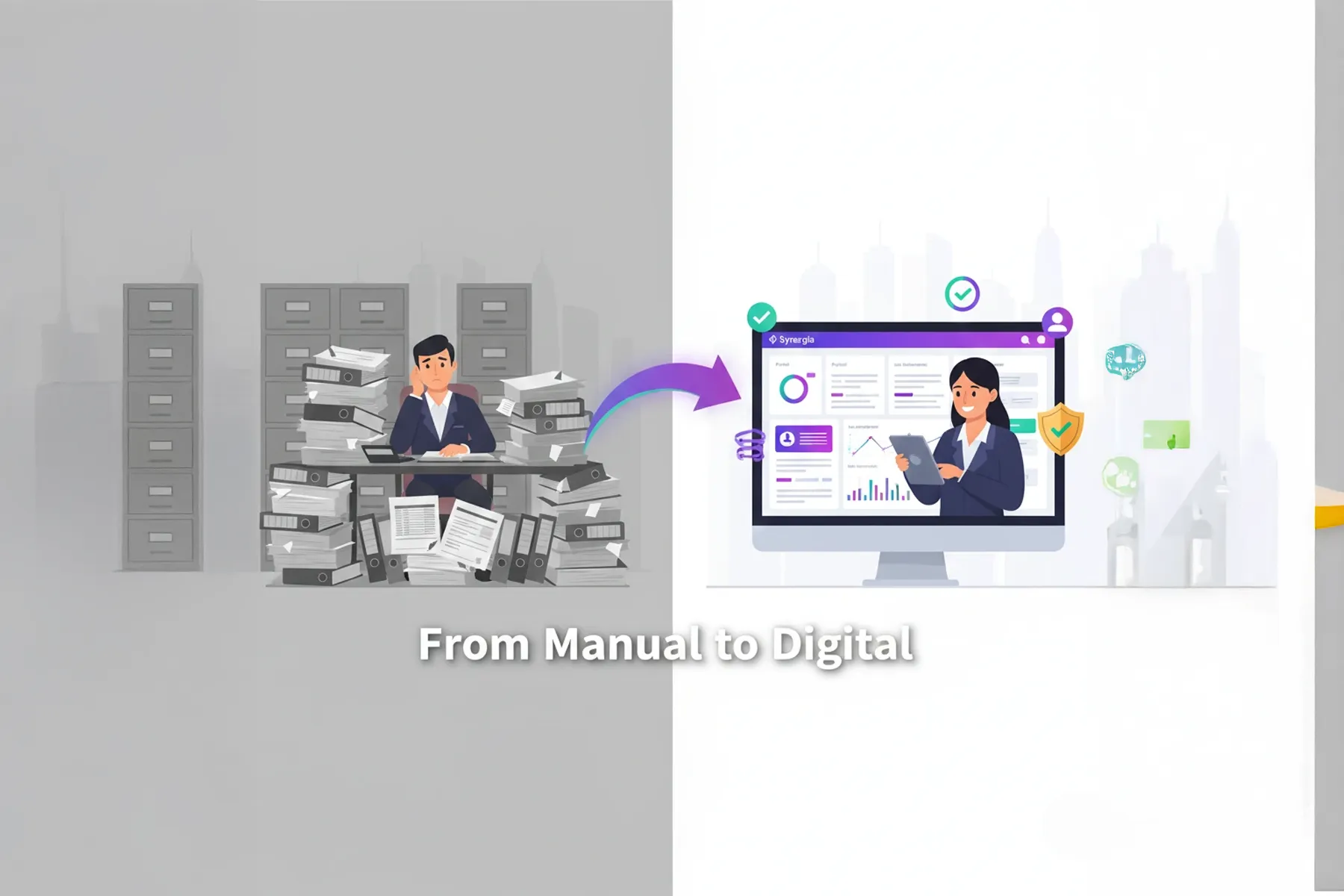
Manual HR management is draining valuable time and resources from businesses across Qatar. HR automation solutions Qatar offer a transformative path forward, converting tedious paperwork and spreadsheet-based processes into streamlined digital workflows. As Qatar’s business landscape evolves with ambitious growth targets, companies need efficient systems that eliminate administrative bottlenecks while maintaining full compliance with local labor regulations. This shift from manual to automated HR isn’t just about technology it’s about empowering HR teams to focus on strategic initiatives rather than repetitive tasks.
Key Takeaways
HR automation delivers immediate operational benefits for Qatari businesses. Digital solutions eliminate manual data entry errors, reduce payroll processing time by up to 70%, and ensure consistent compliance with Qatar Labour Law and WPS requirements. End-to-end HR automation connects attendance tracking, leave management, and payroll into one unified system, giving HR managers real-time visibility across all workforce operations. Companies implementing paperless HR solutions Qatar experience faster employee onboarding, streamlined approval workflows, and significant cost savings from reduced administrative overhead.
The Hidden Costs of Manual HR Processes
Manual HR operations create invisible drains on business efficiency and profitability. Traditional paper-based systems force HR teams to spend countless hours on repetitive data entry, file management, and manual calculations that modern software handles instantly.
Data Fragmentation and Accuracy Issues
Qatar businesses relying on spreadsheets and paper files face several critical challenges. Data accuracy suffers when information exists in multiple formats employee attendance in one sheet, leave records in another, and payroll in a third system. This fragmentation leads to calculation errors, delayed salary payments, and compliance gaps. Manual tracking of document renewals, work permits, and certifications often results in expired documents that trigger legal issues and operational disruptions.
Time Drain Across Multiple Departments
The administrative burden extends beyond HR departments. Managers waste time approving leave requests through email chains or paper forms. Employees struggle to access their payslips or update personal information without HR intervention. Finance teams reconcile payroll data manually, increasing the risk of errors and audit problems.
The Opportunity Cost of Manual Work
According to industry research, companies spend an average of 18 hours per week on manual HR tasks that automation could eliminate. This represents substantial opportunity cost time that HR professionals could dedicate to talent development, employee engagement, and strategic workforce planning that actually drives business growth.
Core Components of End-to-End HR Automation
End-to-end HR automation integrates every aspect of workforce management into a cohesive digital ecosystem. This comprehensive approach eliminates data silos and creates seamless information flow across all HR functions.
Five Essential Integration Points
Successful HR management software connects five essential components.
- First, centralized employee data management stores all personnel information from hiring documents to performance reviews in one secure, accessible location.
- Second, automated payroll management handles salary calculations, deductions, bonuses, and compliance requirements without manual intervention.
- Third, digital attendance tracking systems capture work hours through biometric devices or mobile check-ins, automatically feeding accurate data into payroll.
- Fourth, workflow automation manages approval chains for leave requests, expense claims, and HR changes through predefined rules.
- Fifth, employee self-service portals empower staff to handle routine tasks independently. These components create a unified system where information flows automatically between modules.
Creating Seamless Paperless Operations
These components work together to create paperless HR solutions Qatar businesses can rely on. When an employee requests leave through the self-service portal, the system automatically routes the request to the appropriate manager, updates the attendance calendar upon approval, and adjusts payroll calculations accordingly. This interconnected functionality eliminates duplicate data entry, reduces processing delays, and provides real-time visibility into workforce operations. The integration also enables sophisticated reporting and analytics, giving management actionable insights into labor costs, productivity patterns, and compliance status without manual report compilation.
Achieving Compliance Through Automated Systems
Qatar’s regulatory environment demands meticulous attention to labour law requirements and wage protection standards. HR automation solutions Qatar provide built-in compliance mechanisms that reduce legal risks and ensure consistent adherence to local regulations.
Qatar-Specific Compliance Features
Automated compliance features address Qatar’s specific requirements systematically. WPS management systems generate compliant salary files in the correct format for bank transfers, ensuring timely wage payments that meet Ministry of Labour standards. The software automatically calculates end-of-service benefits according to Qatar Labour Law provisions, accounting for years of service, leave balances, and contractual terms.
Document Tracking and Renewal Management
Document management modules track expiration dates for work permits, ID cards, health certifications, and commercial licenses, triggering renewal alerts before documents lapse. Companies using documents and renewal tracking features eliminate the common problem of expired credentials that interrupt operations or trigger government penalties.
Building Audit-Ready Documentation
Beyond basic compliance, automation creates audit-ready documentation. Every transaction from salary changes to leave approvals generates timestamped records that demonstrate regulatory adherence. The system enforces business rules that prevent non-compliant actions, such as approving leave that would violate minimum staffing requirements or processing payroll that exceeds approved budgets. This systematic approach to compliance transforms regulatory requirements from burdensome obligations into automated background processes that protect the business while freeing HR teams to focus on value-adding activities.
Transitioning from Paper to Digital HR Workflows
Moving from manual processes to digital systems requires thoughtful planning and structured implementation. Successful transitions balance technological capability with organizational readiness, ensuring employees adopt new systems effectively.
Planning and Data Preparation
The transition begins with process assessment and data preparation. HR teams should document current workflows, identifying bottlenecks and inefficiencies that automation will address. Clean existing employee data standardize formats, remove duplicates, and verify accuracy before migration. This preparation prevents carrying forward errors into the new system.
System Configuration and Customization
Next, configure the software to match your organizational structure, approval hierarchies, and business rules. Most modern HR automation solutions Qatar offer customizable workflows that adapt to company-specific requirements rather than forcing businesses into rigid templates. This flexibility ensures the system supports your unique business processes.
Phased Rollout and Training Strategy
Implementation succeeds through phased rollout and comprehensive training. Start with core functions like employee database and attendance tracking before adding complex features like performance management or project scheduling. This approach allows employees to adapt gradually while demonstrating immediate value. Provide hands-on training for HR staff and managers who will use administrative features, and create simple guides for employees accessing the self-service portal.
Ensuring User Adoption and Success
Establish a support system for questions during the transition period. Companies that invest in proper change management see 3x higher user adoption rates compared to those that simply deploy software and expect immediate usage. The goal is creating paperless HR solutions Qatar employees embrace rather than resist, which requires clear communication about benefits, patient support during learning curves, and celebration of early wins that demonstrate the system’s value.
Measuring ROI and Long-Term Business Impact
HR automation delivers measurable returns that extend beyond immediate time savings. Quantifying these benefits helps justify investment and guides continuous improvement as the system matures.
Immediate Cost Savings and Efficiency Gains
Direct cost savings appear quickly after implementation. Reduced paper consumption, printing, and physical storage eliminate tangible expenses. Decreased processing time translates to labor cost reductions tasks that consumed 20 hours weekly might complete in 3 hours with automation. Lower error rates in payroll processing prevent costly corrections and employee disputes.
Compliance and Risk Reduction
Compliance automation reduces legal risks and potential penalties from regulation violations. A typical mid-sized company in Qatar with 200 employees can expect to save QAR 150,000-250,000 annually through operational efficiency gains alone. These savings come from eliminating redundant work, reducing errors, and streamlining approval processes.
Strategic Benefits and Organizational Growth
Long-term strategic benefits compound over time. Better data accuracy enables confident decision-making about workforce planning and resource allocation. Real-time reporting provides visibility into labor costs, overtime patterns, and productivity metrics that support business optimization. Faster onboarding gets new employees productive sooner, while streamlined approvals reduce delays in critical business processes.
Tracking Performance Metrics
Employee satisfaction improves when staff can access information and complete HR tasks independently rather than waiting for manual processing. These improvements enhance organizational agility, enabling Qatar businesses to scale operations, enter new markets, or adapt to regulatory changes without proportional increases in HR headcount. Companies should track metrics like time-to-hire, payroll processing duration, error rates, and employee satisfaction scores to demonstrate ongoing value and identify opportunities for further optimization as they mature their use of end-to-end HR automation capabilities.
Conclusion
HR automation solutions Qatar represent a strategic imperative for businesses aiming to thrive in an increasingly competitive environment. The transition from manual processes to digital efficiency eliminates administrative waste, strengthens compliance, and empowers HR teams to contribute strategically to business success. Companies that embrace paperless HR solutions Qatar position themselves for sustainable growth, operational excellence, and enhanced employee experiences. End-to-end HR automation isn’t a luxury reserved for large enterprises it’s an accessible advantage that businesses of all sizes can leverage to build more efficient, compliant, and responsive HR operations. Ready to transform your HR operations? Contact our team to discover how Synergia HRMS can automate your workforce management and drive measurable business results.
FAQ
What are HR automation solutions?
HR automation solutions are software systems that digitize and streamline human resource processes like payroll, attendance tracking, leave management, and employee data management. These platforms eliminate manual tasks, reduce errors, and improve operational efficiency while ensuring compliance with local labor regulations.
How does HR automation improve payroll accuracy in Qatar?
HR automation eliminates manual data entry errors by automatically calculating salaries, deductions, and bonuses based on attendance data and predefined rules. The system ensures WPS compliance for Qatar businesses and generates error-free salary files, reducing payroll processing time by up to 70%.
What is paperless HR solutions Qatar?
Paperless HR solutions Qatar refers to digital workforce management systems that eliminate physical documents and manual paperwork. These platforms store employee records, contracts, and certifications electronically, enable digital approvals, and provide secure cloud-based access to HR information from anywhere.
Can small businesses in Qatar benefit from HR automation?
Yes, small and medium businesses gain significant advantages from HR automation by reducing administrative overhead, minimizing compliance risks, and freeing HR staff to focus on growth initiatives. Modern solutions offer scalable pricing and features that match business size and complexity requirements.
How long does it take to implement HR automation software?
Implementation typically takes 2-6 weeks depending on company size and complexity. The process includes data migration, system configuration, staff training, and phased rollout. Employee management systems with intuitive interfaces and strong support enable faster adoption and quicker ROI realization.
Does HR automation comply with Qatar Labour Law?
Reputable HR automation platforms built for Qatar include built-in compliance features that align with Qatar Labour Law and WPS requirements. These systems automatically calculate end-of-service benefits, track document expirations, and ensure regulatory adherence through enforced business rules and audit trails.
What is end-to-end HR automation?
End-to-end HR automation connects all workforce management functions from recruitment and onboarding through payroll and performance reviews into one integrated platform. This comprehensive approach eliminates data silos, ensures consistent information flow, and provides real-time visibility across all HR operations.
How does employee self-service reduce HR workload?
Employee self-service portals allow staff to independently access payslips, apply for leave, update personal information, and view company policies without HR intervention. This self-service functionality reduces routine inquiries by 60-80%, freeing HR teams for strategic work.
What ROI can businesses expect from HR automation?
Mid-sized Qatar companies typically save QAR 150,000-250,000 annually through reduced processing time, lower error rates, and decreased administrative costs. Beyond direct savings, businesses gain strategic benefits through better data insights, faster onboarding, improved compliance, and enhanced employee satisfaction.
How secure is cloud-based HR automation software?
Modern cloud HR platforms employ bank-level encryption, regular security audits, role-based access controls, and secure data centers with redundancy. Leading solutions comply with international data protection standards while offering customizable permissions that restrict sensitive information to authorized personnel only.